
February 27
Blessed are the poor in spirit, for theirs is the kingdom of heaven. -Matthew 5:3
(Please read the scripture passage through three times using the practice of lectio divina.)
Reflection
Mother Teresa said, “The greatest disease in the West today is not TB or leprosy; it is being unwanted, unloved, and uncared for. We can cure physical diseases with medicine, but the only cure for loneliness, despair, and hopelessness is love. There are many in the world who are dying for a piece of bread but there are many more dying for a little love.”
No one of us can cure the “greatest disease” by ourselves. We need to create a web of relationships. The New Testament envisions the church as a loving family that welcomes and blesses the poor in spirit.
Most westerners give our best energy to making the most of our individual lives. We tend to sideline relationships to pursue wealth, status, and power, thus impoverishing our own spirits. In Jesus’s vision, we give our best energy to build the beloved community, which blesses the poor in spirit as well as the meek, those who mourn, and all the “little ones” of the world.

Action (Pray)
Is there someone in your spiritual community who is “poor in spirit” right now? Take some time to pray for the person. After listening prayerfully, consider how you might respond. How might you go about blessing him or her?
Author Gary Chapman notes that different people have different love languages. These vary across cultures, but may involve things such as preparing food, offering words of affirmation, spending quality time together, giving gifts, doing acts of (sacrifical) service, or expressing care through physical touch. We sometimes try to love others as we like to be loved.
Think about the person who you sense is “poor in spirit.” From what you know about this person, how might he or she like to be loved? It might mean preparing a meal and talking together. Or it might be offering a few thoughtful words of affirmation. Can you do something for the person this weekend? Is there anyone else you can involve as a way of building a relational web of care around this person?
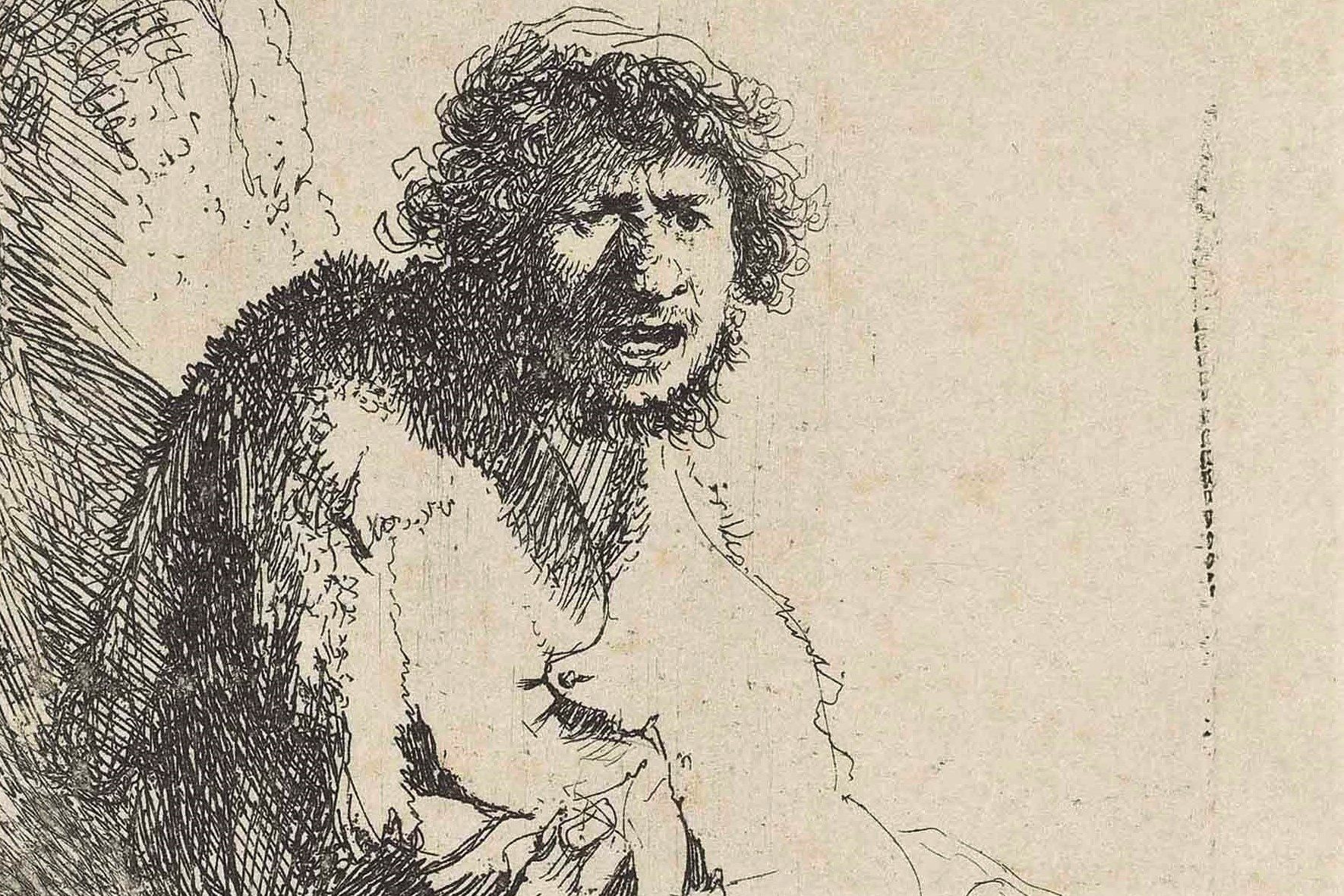
Hidden Brain Episode – Guys, We Have A Problem: How American Masculinity Creates Lonely Men
Those Who Carry
Those who carry pianos
to the tenth floor wardrobes and coffins
(continue)